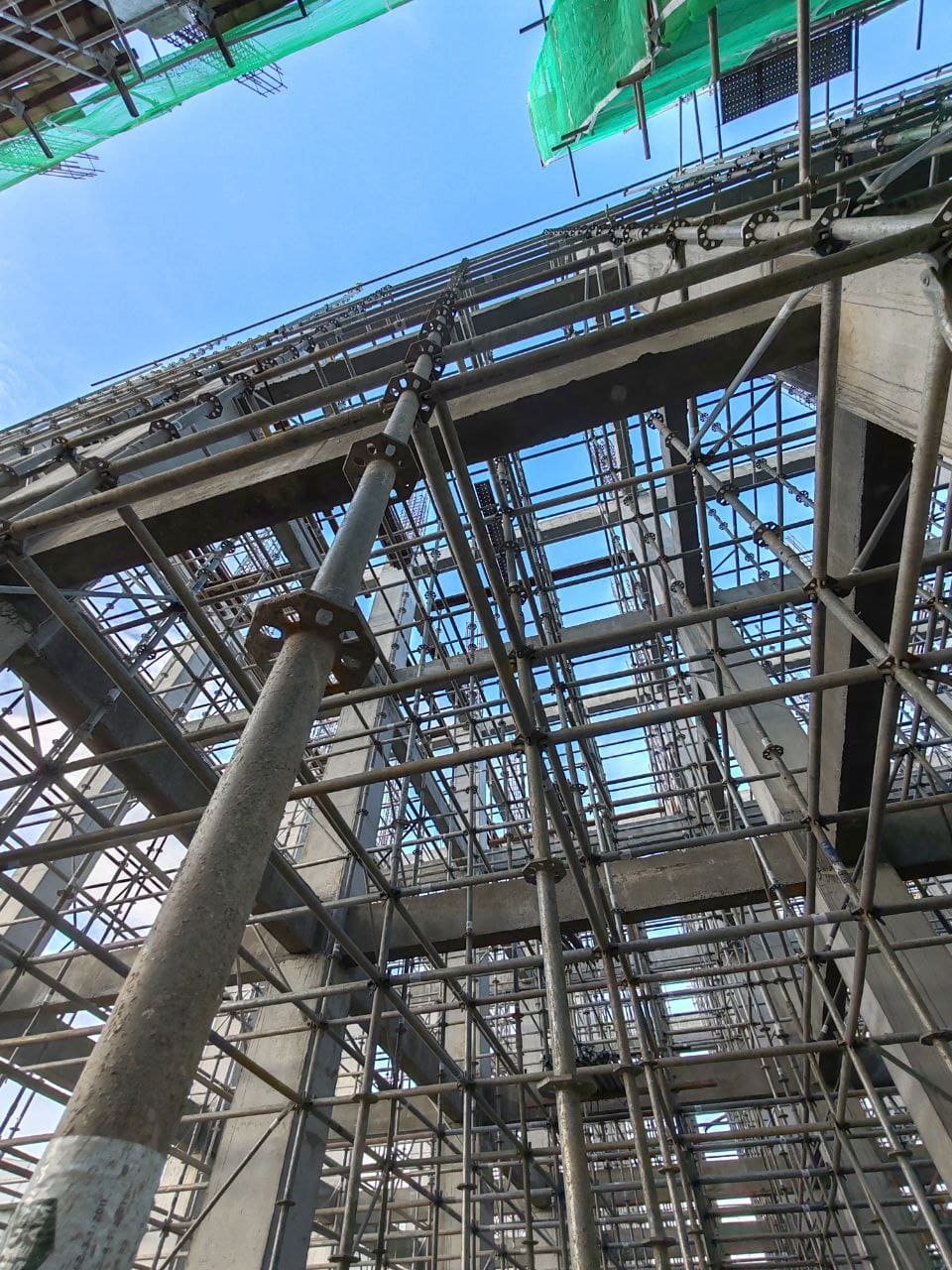
Why Scaffolding Accidents Happen: The Critical Role of Manufacturer Instructions
DOSH’s decision to mandate instruction manuals for modular scaffolding wasn’t arbitrary—it was driven by data showing that many scaffolding accidents share a common root cause: inadequate information.
The Pattern Behind the Accidents
Analysis of scaffolding incidents reveals recurring failure modes:
- Improper assembly: Components connected incorrectly or in unsafe configurations
- Overloading: Exceeding design load limits due to lack of awareness
- Inadequate bracing: Missing or incorrectly installed stability elements
- Poor foundation: Base plates or ground conditions insufficient for loads
- Unauthorized modifications: Field changes that compromise structural integrity
The common thread? Workers and supervisors operating without adequate knowledge of the specific system’s requirements.
What a Proper Instruction Manual Prevents
MS 1462-3-1 Clause 9.3 requires manufacturers to provide detailed information that directly addresses these failure modes:
- Assembly Guidance – Step-by-step erection sequences with illustrations – Connection details showing correct component orientation – Tie requirements and spacing specifications – Foundation and base plate requirements
- Load Information – Maximum vertical and horizontal loads per configuration – Load class definitions (light, medium, heavy duty) – Safe working load limits for specific heights and spans – Cantilever and bridging restrictions
- Safety Requirements – Fall protection integration points – Access and egress provisions – Weather and environmental limitations – Inspection checkpoints and frequency
The Training Connection DOSH’s order requires employers to use manufacturer manuals for training installers, inspectors, and supervisors. This creates a direct knowledge transfer from design engineers to site personnel—closing the information gap that leads to unsafe acts.
System-Specific Knowledge Matters Different modular systems have different characteristics. An octagonal connection system operates differently from a cup-and wedge system. A manual for one cannot safely guide work on another. System-specific training based on manufacturer instructions is essential.
Questions to Ask Your Supplier
- Is the instruction manual comprehensive enough to train new personnel?
- Does it include load tables for all standard configurations?
- Are assembly sequences clearly illustrated?
- Does it address common misuse scenarios?
Safe scaffolding isn’t just about quality components—it’s about ensuring everyone who touches the system understands how it works and what its limits are.
What training practices have made the biggest difference in your scaffolding safety performance?
#ConstructionSafety #ScaffoldingSafety #WorkplaceTraining #DOSH #Malaysia